
Organize Utah!
Organize Utah unites workers fighting for dignity and power in the workplace and beyond.
In Organize Utah, ordinary workers support each other in organizing new unions, reforming existing ones, and building other workers’ organizations to improve everyday life and build a future worth living for.



Organize Utah in Action
Organize Utah is building worker power all over Utah by providing organizer training workshops, hosting community events, and mobilizing support for rallies and picket lines.
See what’s coming up on the Events page, or join our year-round support groups, reading clubs, labor choir, and more.
SunTrapp Workers Unite
Staff at Salt Lake City’s most historic LGBTQ+ bar go on strike to win union recognition and fight for a fair contract. 2025.
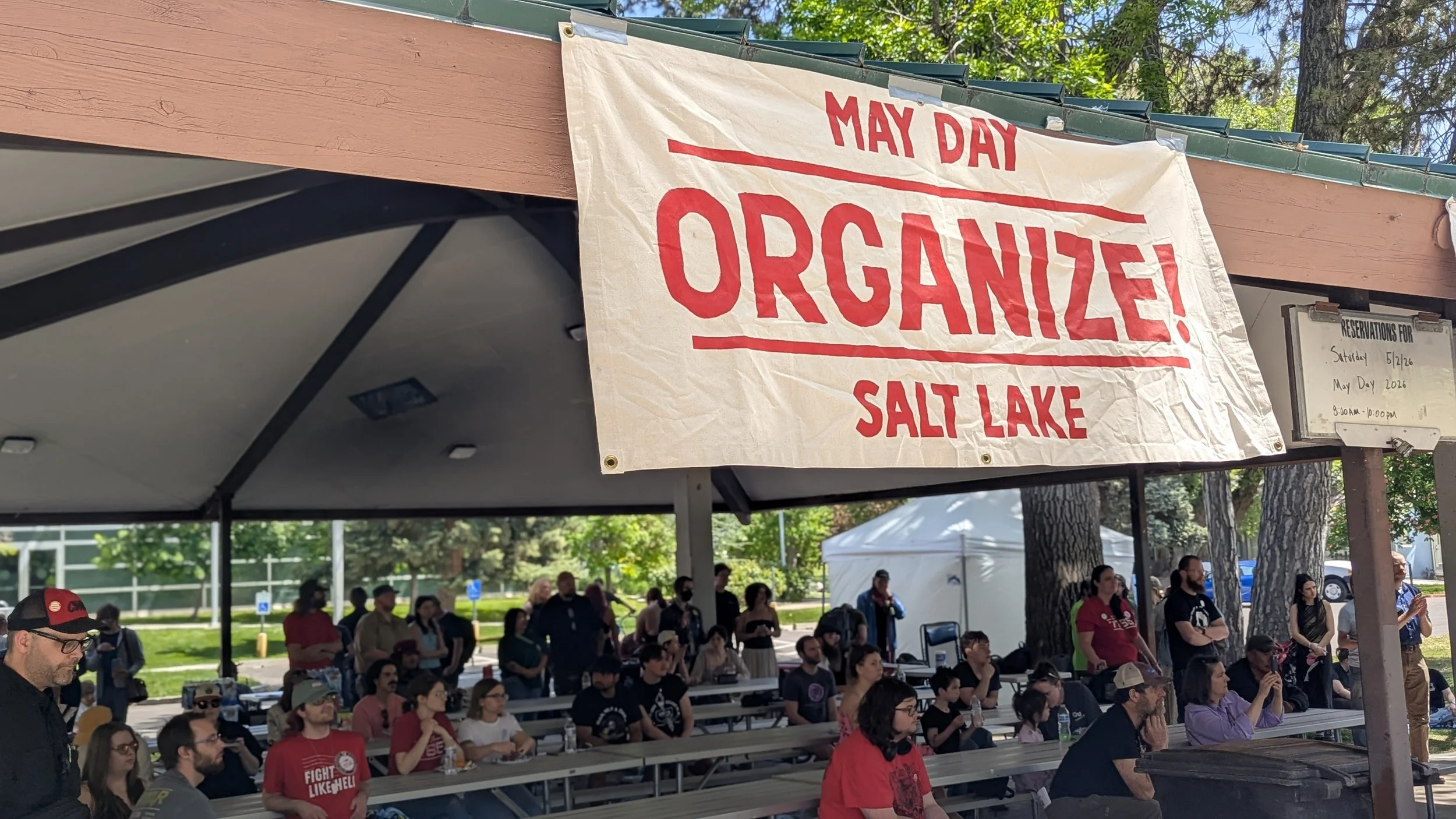
Annual May Day Event
Salt Lake City locals celebrate labor wins and working class history at Organize Utah’s annual May Day picnic. 2024, 2025, 2026.
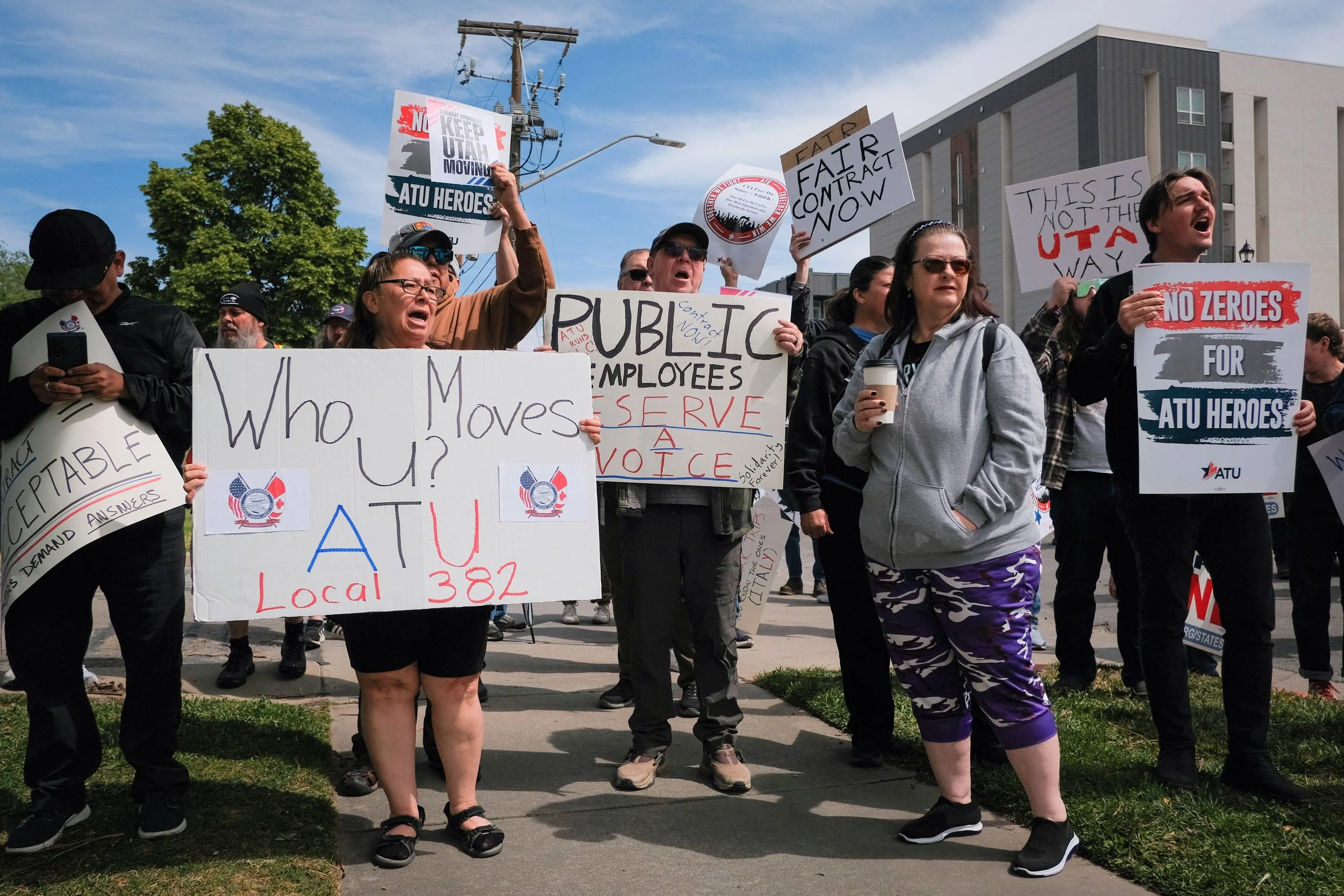
Amalgamated Transit Union
Community rallies to support the transit workers of ATU-382 in the fight against unfair contract negotiations. 2026.
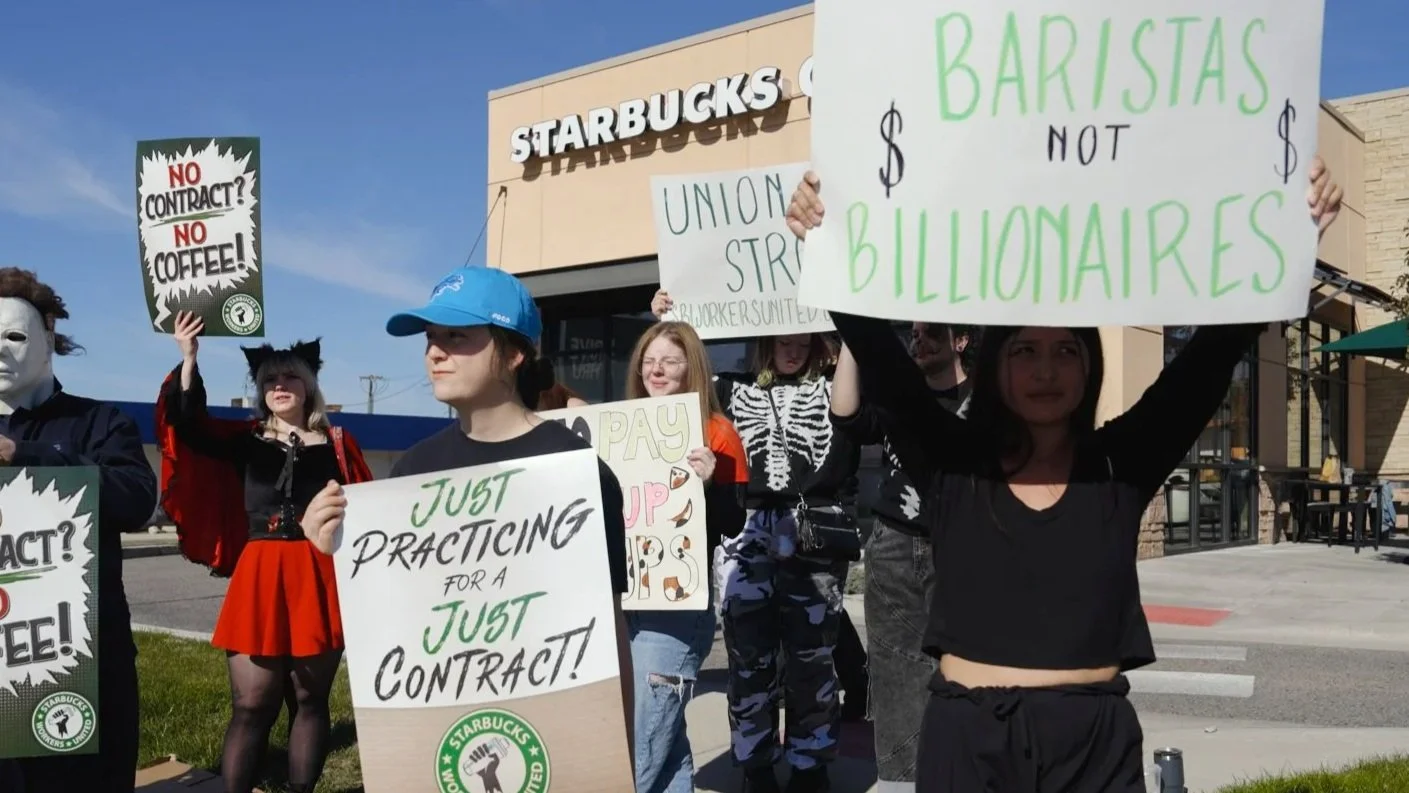
Starbucks Workers Unite
Utah’s unionized Starbucks employees join the nationwide effort, picketing for a fair contract. 2025.
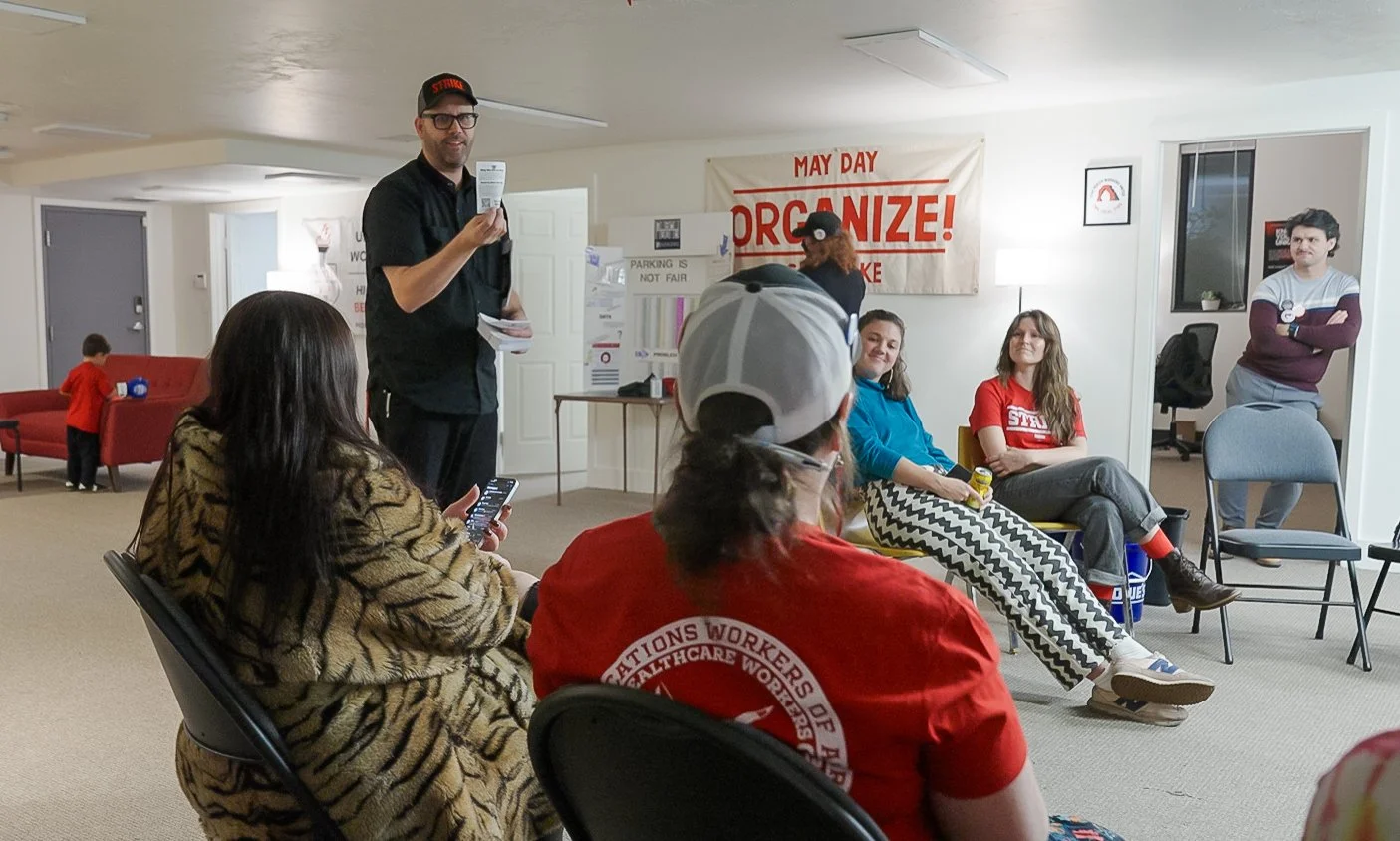
United Campus Workers of Utah / Utah Health Workers United
University of Utah grad and undergrad students, workers, faculty, staff, and healthcare professionals organize campaigns to unionize the state’s second largest employer. 2026.
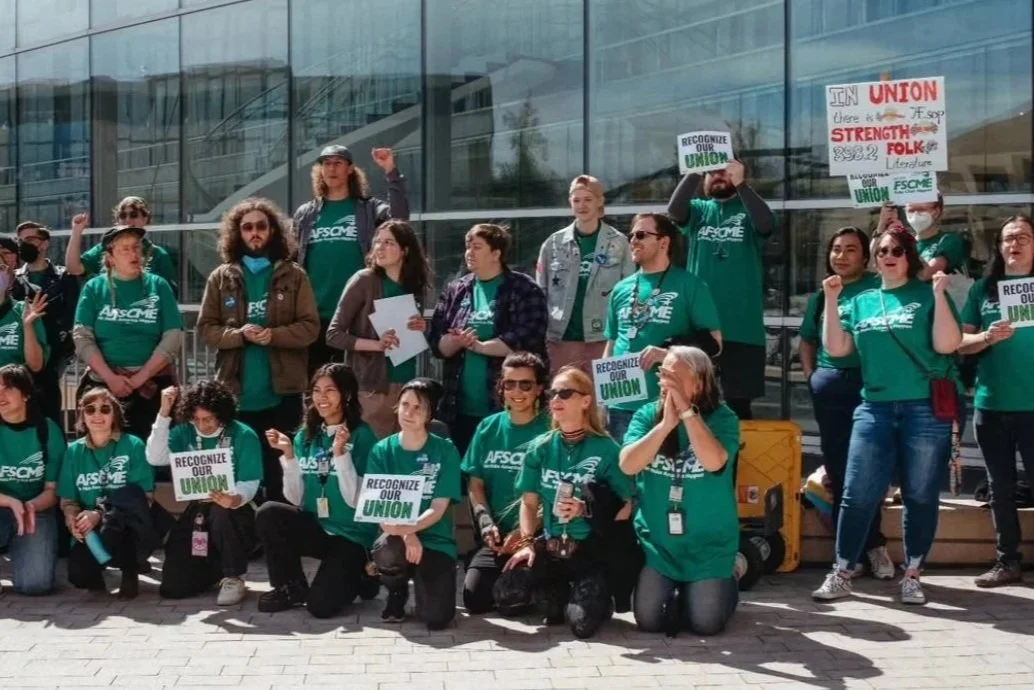
Salt Lake City Public Library Workers Union
Public workers successfully organize to form the first library union in the state. 2025.
Principles to Build Power
-
A union is a group of workers, usually in a workplace, company, or sector, who come together to fight their bosses for better conditions in their workplace and their community.
All sorts of workers are in labor unions; teachers, doctors, warehouse workers, bus drivers, rideshare drivers, baristas, non-profit workers, cleaning staff, grad student workers, geologists, just to name a few. When workers are organized into unions, they can fight for and win higher wages, better benefits, safer working conditions, anything that a worker’s labor touches, an organized union and community effort can change for the better. The workers actually do the work to produce wealth, so they have the power.
-
The rank-and-file of a union are its members, the workers that make up a labor union, or the tenants that make up a tenant union.
As unions grow (and growth is good!) the need for union staff arises: people who are not employed by the boss, but by the union itself from dues money. Union staff are important in coordinating the action of members, but a strong and democratic union must led by the rank-and-file.
-
Unions that have a class struggle outlook understand that all workers, in all workplaces, have more in common with each other than they do with their bosses, and that to make societal change, workers need to work together as a class.
They understand that unions need to be highly participatory and run by the rank and file. They understand that a union’s power comes form how organized it’s workers are. They know that workers and their bosses have opposed, contradictory interests, and that bosses view every advancement of worker organization as a direct attack on their interests. When unions were fighting with outlook, great things were achieved, from The New Deal, to Social Security, to countless local and regional victories that uplifted the lives of the workers who fought for more.
-
Class struggle unionism is in opposition to business unionism. Unions that have a business outlook seek to make deals with bosses. Business unions do not have high levels of member participation and they tend to be run by staffers and with an elite cadre of elected leadership. Business union officials may say that the best way to win is by having a good relationship with the boss. This outlook has led to a deep decline in the power of organized labor and the working class.
-
Many labor unions today have fallen into business unionism. This is an orientation that is characterized by low rank-and-file participation, union decisions being made mainly by staffers and elected union officials, and the idea that a union’s power is rooted in the friendly relationships with management.
-
Tenant unions are similar to labor unions, but instead of workers and bosses, think tenants and landlords.
Tenant unions may organize in a different structure, apartment buildings instead of workplaces, but they use similar tactics. Tenant organizers have one-on-one conversations with their neighbors, plan socials, organize petitions, march on the landlord, just like a worker organizer would talk with their coworkers, or march on their boss. The tenants pay the rent, so they have the power.
-
Worker power is rooted in their own labor. Without the worker’s labor, there is no production, a workplace cannot operate. That power is expressed through their collective ability to coordinate and withhold their labor.
This is why strikes (when all the workers in a workplace, company, or sector refuse to work) are effective, once a supermajority of workers collectively withhold their labor, the workplace, company, or sector ceases to function, no money can be made by the bosses, and that gives workers the leverage they need to win their demands.
-
Organize Utah events designed to connect you to the people are resources that are right for you!
Completely new to labor organizing? Start with the Organizer Crash Course to receive a new set of skills to bring back to your workplace and share with your coworkers.
Looking to connect with other worker-organizers? Attend one of the upcoming social events.
Already organizing your workplace and need some help? Visit a monthly Organizer Support Group for advice, networking, and resources.